
Blogs
Vitamin D Deficiency in the USA: Why Some People Feel Tired, Weak & Low on Energy

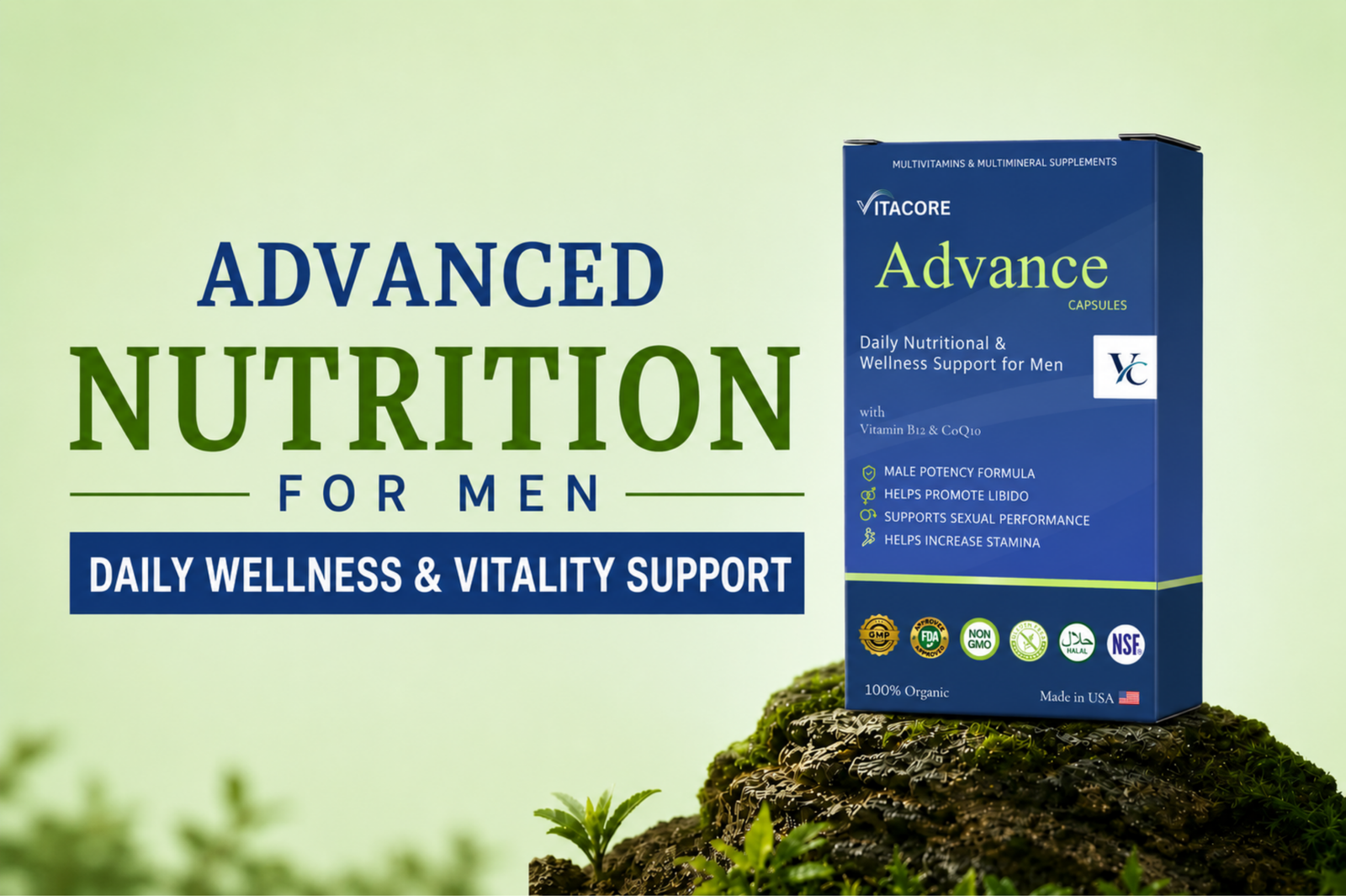
The United States gets plenty of sunshine—but that doesn’t necessarily mean everyone gets enough vitamin D.
Vitamin D levels can be affected by how much time you spend outdoors, your skin pigmentation, age, diet, certain medical conditions, body weight, and other lifestyle factors. The NIH reports that most people in the U.S. have adequate vitamin D levels, but some people are at greater risk of inadequacy or deficiency.
For some people, low vitamin D can contribute to bone pain and muscle weakness. However, tiredness and low energy can have many different causes, so symptoms alone cannot determine whether someone is vitamin D deficient.
Why Vitamin D Matters
Vitamin D is an essential nutrient that plays an important role in several functions throughout the body.
It helps support:
- Strong bones and teeth
- Calcium absorption
- Normal muscle function
- Bone mineralization
- Overall nutritional health
- Normal immune system function
Your body can produce vitamin D when skin is exposed to sunlight, and you can also obtain it through certain foods and dietary supplements.
Common Signs and Effects of Low Vitamin D
Vitamin D deficiency does not always cause noticeable symptoms.
When deficiency becomes significant, however, it can affect the bones and muscles. In adults, severe deficiency can cause osteomalacia, which may result in bone pain and muscle weakness.
Some people may experience:
- Muscle weakness
- Bone discomfort or pain
- Reduced physical strength
- Fatigue or low energy
- Difficulty maintaining normal physical function
It’s important to remember that these symptoms can have many causes. If you are experiencing persistent fatigue, weakness, or pain, speak with a healthcare professional rather than assuming vitamin D deficiency is the cause.
Why Can Vitamin D Be Low Even in a Sunny Country Like the USA?
A common question is:
“If the United States gets plenty of sunshine, why can vitamin D levels still be low?”
Sunlight is only one part of the picture.
1. Indoor Lifestyles
Many Americans spend most of their day indoors:
- Working in offices
- Studying at schools and universities
- Working from home
- Spending time indoors at home
- Commuting by car
- Watching television or using computers and other devices
Limited sun exposure can reduce the amount of vitamin D your body produces naturally.
2. Season and Location Matter
Vitamin D production from sunlight varies depending on factors such as season, latitude, time outdoors, and sun exposure.
People living farther north may have less UVB exposure during parts of the year. The USPSTF also identifies little or no UVB exposure, including during winter or because of sun avoidance, as a factor associated with lower vitamin D levels.
3. Skin Pigmentation Can Affect Vitamin D Production
People with darker skin generally produce less vitamin D from the same amount of sunlight because higher levels of melanin reduce the skin’s ability to produce vitamin D.
The NIH identifies people with dark skin as one group that may have a higher risk of inadequate vitamin D levels.
4. Diet May Not Provide Enough Vitamin D
Vitamin D occurs naturally in relatively few foods.
Food sources include:
- Fatty fish such as salmon, tuna, and trout
- Egg yolks
- Beef liver
- Fortified milk
- Fortified plant-based beverages
- Fortified cereals
- Some mushrooms
For many people, obtaining enough vitamin D from naturally occurring food sources alone can be difficult. Fortified foods and dietary supplements can help provide additional vitamin D when appropriate.
5. Certain People Are at Higher Risk
Some groups are more likely to have inadequate vitamin D levels, including:
- Older adults
- People who spend little time outdoors
- People with darker skin
- People with limited dietary vitamin D intake
- People with conditions that affect fat absorption
- People with obesity
- People who have undergone gastric bypass surgery
Certain medications and medical conditions can also affect vitamin D status.
Can Food Alone Provide Enough Vitamin D?
For some people, diet can provide adequate vitamin D. However, naturally occurring dietary sources are limited, which is why fortified foods are important sources of vitamin D in the American diet.
A balanced approach to maintaining vitamin D status may include:
- Eating a nutritious, varied diet
- Consuming vitamin D-rich or fortified foods
- Maintaining regular physical activity
- Getting appropriate outdoor activity
- Using dietary supplements when appropriate
If you are concerned about your vitamin D level, a healthcare professional can determine whether testing is appropriate for you.
How Vitamin D Supplements May Support Daily Nutrition
A dietary supplement containing vitamin D can help individuals meet their daily nutritional needs when dietary intake is insufficient.
However, more is not always better. Excessive vitamin D intake can cause harmful effects, and the NIH notes that blood levels above 50 ng/mL (125 nmol/L) can be associated with adverse effects.
For this reason, supplements should be used according to their label directions and, when appropriate, with guidance from a healthcare professional.
Explore Nutrakyn
Nutrakyn offers wellness and nutritional products designed to complement a healthy lifestyle.
You can explore our products, including:
- Vitacore
- Everoptal
- Infersia
Product availability and formulations may vary. Always review the product label for ingredients, serving size, warnings, and directions before use.
Frequently Asked Questions
Is vitamin D deficiency common in the USA?
Most people in the United States have adequate vitamin D levels, but some groups have a higher risk of inadequacy or deficiency. An NIH analysis of U.S. data found that approximately 5% of people age 1 and older were at risk of vitamin D deficiency and about 18% were at risk of inadequacy based on the thresholds used in that analysis.
Can vitamin D deficiency cause tiredness?
Vitamin D deficiency can affect muscle and bone health, but tiredness can have many different causes. Fatigue alone does not establish that someone has a vitamin D deficiency.
Can low vitamin D cause muscle weakness?
Yes. Significant vitamin D deficiency in adults can cause osteomalacia, which may result in bone pain and muscle weakness.
Who is most at risk of low vitamin D?
People with limited sun exposure, older adults, people with darker skin, people with certain digestive conditions, people with obesity, and people who have undergone gastric bypass surgery are among the groups at higher risk.
Is sunlight enough to get vitamin D?
Sunlight contributes to vitamin D production, but the amount produced depends on factors such as season, location, skin pigmentation, and sun exposure. Diet and supplements can also contribute to vitamin D intake.
Should everyone get tested for vitamin D deficiency?
Not necessarily. The U.S. Preventive Services Task Force says there is currently insufficient evidence to recommend for or against routine screening of asymptomatic adults. People with symptoms or risk factors should discuss their individual situation with a healthcare professional.
Can a multivitamin provide vitamin D?
Some multivitamins and dietary supplements contain vitamin D. Whether a particular product provides an appropriate amount depends on its formulation and your individual nutritional needs. Always check the Supplement Facts label and follow the recommended serving.